Ultimate SEO updates 2026 : What’s New & What Still Works (Beginner Friendly)
Ultimate SEO updates 2026 : What’s New & What Still Works (Beginner Friendly) Introduction If you’re just starting your career as Digital Marketer or exploring into SEO updates 2026, you might be wondering — what actually works today in this AI developing era? That what actually an SEO expert looking for. Google’s algorithms keep evolving everyday, AI-generated content is everywhere even now days contents are also made using AI, and competition feels tougher in all aspects and even websites are created by AI. This ultimate SEO guide for beginners will help you cut through the noise and learn exactly how to rank your website organically in search engines and AI searches — step by step without any complications. Whether you’re building a personal blog, business site, or portfolio, this guide will teach you the foundations of SEO that always work and technics used by experts, plus the new trends seo updates 2026. Let’s dive in and future of SEO updates 2026 strategy that works. What Is SEO (and Why It Still Matters in 2026 and in future) Search Engine Optimization (SEO) is the process of optimizing your website to rank higher on Google and other search engines. Its an organic long term process which need consistency. Even in 2026, SEO remains the most sustainable way to drive free, targeted traffic. If you do SEO properly its also shown in AI searches but you need to make content AI friendly. Why it still matters: Organic traffic = higher trust and long-term ROI (Return On Investment) SEO builds authority, not dependency on ads. Users still start 90% of online experiences with a search even in AI searches. Tip: If you’re new, start with understanding the 3 SEO pillars:👉 On-page, Off-page, and Technical SEO. Learn more about On-Page SEO basics Read Google’s official Search Engine Optimization Starter Guide (DA 95+) How Search Engines Work in 2026 Google’s algorithms now rely heavily on EEAT — Experience, Expertise, Authoritativeness, Trustworthiness — and AI-driven ranking systems like RankBrain and Helpful Content Update. Which means your content should be genuine and relevant. Key Process: Crawling – bots find your content. Indexing – your pages are analyzed and stored. Ranking – Google decides where your content appears in SERP (Search Pages) 💡 Focus on helpful content and real user value — not keyword stuffing (Keep the keyword below 7 count). See how Google’s AI systems rank content on Google Search Central (DA 95+) On-Page SEO Fundamentals On-page SEO means optimizing your content within your website. Key Factors: Use your focus keyword(seo updates 2026 is the keyword used in this blog) in: Title (H1) Meta description First paragraph include focus keyword At least one subheading (H2 or H3) Image alt text Optimize your slug or permalink :/seo updates 2026/ Write naturally — don’t over-optimize. Bonus On-Page SEO Elements: Add internal links to related topics (see below how I used). Include outbound links to trusted sources(Websites). Use short paragraphs and descriptive headings. Internal Links (anchors): Related: SEO Tools for Beginners Related: WordPress SEO Settings You Must Check (example internal link) Off-Page SEO & Backlink Strategies Your website’s reputation comes from who links to you. Your website should linked to external authoritative site and this increases website domain authority which makes our website easy to rank on google or other search engines. Top Off-Page SEO tatics in 2026: Guest posting on niche blogs. Link reclamation (fixing broken backlinks). Collaborating with micro-influencers. Sharing data-backed case studies. Remember: One backlink from a trusted site > 50 from random blogs. So backlinks is important than blogging. Learn from Ahrefs’ Link Building Guide (DA 90+) Explore How to Build Backlinks Organically Technical SEO Essentials Technical SEO ensures your site is crawlable, fast, and secure. It is the technical part of the website and it is essential to rank your website. Its an important part to boost SEO score. Key Elements: Mobile-friendly design Core Web Vitals (LCP, CLS, FID) XML sitemap & Robots.txt SSL certificate (HTTPS) Use CDN like Cloudflarefor speed. Learn how to Improve Core Web VitalsCheck your Core Web Vitals with PageSpeed Insights (DA 90+) What’s New in SEO updates 2026? Check this 2026 SEO Trends: AI-Assisted Content – Use tools, but humanize it. Voice Search Optimization – Target conversational queries. Entity-Based SEO – Focus on topics, not just keywords. Visual Search & Video SEO – Optimize for Google Lens and YouTube. Example: Instead of “best SEO tools,” optimize for “what’s the best free SEO tool for beginners?” SEO Tools You Can Use for Free Even without paid tools, you can do solid SEO and rank your website in top 10 in SERP. Purpose Tool URL Keyword Research Google Keyword Planner ads.google.com/home/tools/keyword-planner On-Page SEO RankMath / Yoast (Plugins) Free WP plugin Backlink Check Ahrefs Free Tool ahrefs.com/backlink-checker Site Speed PageSpeed Insights pagespeed.web.dev Internal Link: → Full list: Best Free SEO Tools for Beginners How to Track and Improve Results Once you’ve optimized, measure results using: Google Search Console (GSC) – impressions, clicks, CTR. Google Analytics 4 (GA4) – user behavior, conversions. Rank tracking tools – monitor your keyword positions. Update your top-performing content every 3 months change the content and adding different keywords in it. Internal Link: → Learn how to Analyze Top Pages Using GA4 Final Thoughts: SEO That Lasts Beyond 2026 SEO isn’t about chasing algorithms — it’s about creating valuable, findable, shareable and relevant content. Content is the important part of SEO , content with good quality and readability is the strong pillar for SEO. The most valuable tip is that its far more better publishing one relevant valuable content over 100 random contents. So take proper time to prepare a content. In seo updates 2026 and beyond: Focus on real user intent Keep improving site experience. Build genuine relationships for backlinks. And keep learning — because SEO never stops evolving. Bookmark this ultimate SEO guide for beginners and come back whenever you need a refresher on what works. If you want to learn how to do SEO for a website connect with me and I will get back to you ASAP.
What Is Digital Marketing? The Ultimate Guide to Online Success
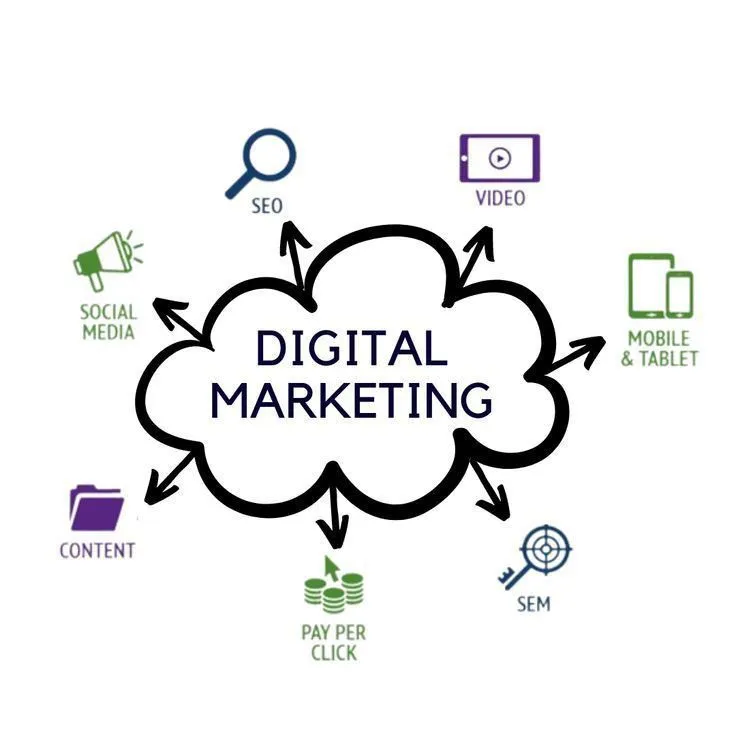
Introduction In today’s fast-paced digital environment, businesses must adapt to remain competitive. What is Digital Marketing? Digital marketing includes all internet tactics for promoting products and services. It is critical for reaching target audiences and accelerating corporate growth. This book will look at the principles, primary channels, content strategy, data analytics, and future trends in digital marketing. Foundations of Digital Marketing Essential Components of Digital Marketing Digital marketing includes a variety of methods via which firms can communicate with potential clients. Key components are: Search Engine Optimization (SEO): It is the process of increasing a website’s presence in search results. Pay-Per-Click (PPC): Paid ads targeting certain keywords. Content marketing: Creating good content in order to attract and keep audiences. Social media marketing: Engaging with users on platforms such as Facebook, Instagram, and LinkedIn. Email marketing: Sending tailored messages to build relationships. Understanding your target audience and developing a compelling content strategy is critical to success. History & Evolution With the introduction of the internet, marketing changed from traditional advertising to digital tactics, resulting in the growth of digital marketing as a strong tool for firms to reach their target audiences. This transition has prompted the question, “What is digital marketing and how has it evolved over time?” The key milestones in this progression are: Google’s start in 1998 transformed online search and advertising. The introduction of social media platforms such as Facebook and Twitter revolutionized brand connection. The introduction of AI and automation changed particular marketing experiences. Goals and Objectives for Digital Marketing The main purposes of digital marketing are: Building Brand Awareness: Developing a strong internet presence. Creating Leads and Sales: Increasing conversions with focused tactics. Engaging with Customers: Developing long-term relationships and loyalty. Major Channels of Digital Marketing SEM (Search Engine Marketing) Search Engine Marketing (SEM) is an essential element of digital marketing. It includes: Paid Search Advertising: Displaying sponsored advertising on search engines. Google Ads: The most popular platform for PPC ads. Cost-per-Click (CPC) Strategies: Creating and optimizing ad budgets to maximize ROI. Social Media Marketing. Social media platforms enable marketers to communicate with users via: Content creation: Sharing interesting blogs, videos, and tales. Platform-specific strategies: Adjusting content for Facebook, Instagram, Twitter, and LinkedIn. Analytics and Performance Tracking: Measuring success with engagement measures. Email Marketing Email marketing remains an effective tool for organizations. Key features include: Creating an Email List: Collecting leads via website sign-ups and offers. Crafting Effective Campaigns: Creating attracting subject lines and content. Following Legal Best Practices: Relating to GDPR and anti-spam rules and regulations. Content Creation and Strategy. The Importance of Content for Digital MarketingContent is the foundation of digital marketing. Different types include: Blog posts, videos, and infographics. Storytelling helps to engage audiences. Providing value through informative and helpful material. Content Distribution Channels To maximize reach, corporations use: Owned Media: Websites and blogs. Earned media: includes shares and mentions from other users. Paid Media: includes sponsored content and influencer collaborations. Measuring Content Effectiveness. Tracking content performance is critical. Key metrics include: Traffic and Engagement Rates – calculating website visits and interactions. Conversion Rates – Understanding consumer behavior. Feedback and Adjustments – Iterating things based upon user feedback. Data and Analytics for Digital Marketing The Use of Data in Strategy Development Data-driven decisions increase marketing effectiveness by: Applied market research. Differentiating quantitative and qualitative data. Adapting strategy in real time based on insights. Tool for Data Analysis Popular analytical tools include: Google Analytics monitors website performance. Social Media Insights: Understanding engagement indicators. Budget-Friendly Tools: Free and paid solutions for small enterprises. Making Data-driven Decisions Using data to improve marketing activities includes: Analytical evaluation for informed planning. Recognizing patterns and customer behavior. Case studies of successful campaigns provide valuable learning opportunities. Future Trends in Digital Marketing. Advances in Technology Technological improvements and changing customer behavior will have an impact on the future of digital marketing. Understanding What is digital marketing and how it reacts to these developments is critical for staying competitive in the industry. AI, VR, and AR: Improving customer experiences. Marketing automation refers to the process of streamlining repetitive processes. Personalization entails delivering personalized material. Changes in Consumer Behavior Businesses need to adapt to: The rapid growth of mobile and voice search. Customers’ expectations of brand transparency are evolving. Ethical marketing methods. Ready for the Future Success in digital marketing necessitates a thorough understanding of what is digital marketing?, as well as effective strategies, data-driven decision-making, and ongoing industry adaptation. Continuous learning and skill improvement. Flexible marketing tactics. An effective and adaptable web presence. Conclusion Understanding What is digital marketing is essential for firms to succeed in the digital age. Companies may establish successful online brands by using the correct channels, providing visually appealing material, checking data, and adjusting to new trends. As the digital world changes, staying ahead with creative techniques can ensure long-term success. For digital marketing related consultation click here FAQs What is the difference between digital and traditional marketing? Digital marketing focuses on internet platforms, whereas traditional marketing includes television, radio, and print advertisements. How can small firms effectively use digital marketing? Using cost-effective techniques like SEO, content marketing, and social media advertising. What measures should I use to assess success in digital marketing? Website traffic, conversion rates, engagement levels, and ROI are all important metrics to consider. Is digital marketing applicable to all types of businesses? Yes, digital marketing methods may help firms of every size reach their target customers. How frequently should I adjust my digital marketing strategy? Regular upgrades are required to stay current with shifting trends, algorithms, and consumer behaviours.